
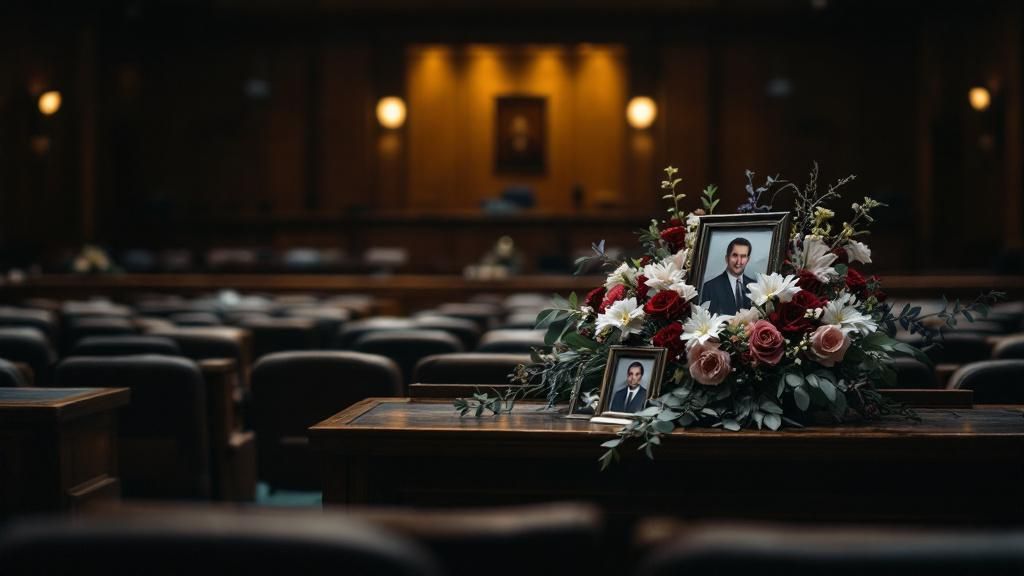
The UK’s long-standing Covid-19 inquiry received its last witness testimonies this week, closing a chapter on one of the most extensive public inquiries in British history. Among the final voices to give evidence was Rivka Gottlieb, who described the anguish of losing her father, Michael, to Covid in April 2020—a death made more painful by the fact that he died without family in hospital. Her testimony, delivered in west London, was one of over eight hours of emotional accounts from bereaved relatives presented during the inquiry’s concluding hearings. Since public hearings began in June 2023, the inquiry has examined evidence from 381 witnesses across the UK and analyzed 600,000 documents, questioning everything from government decisions to the lived experiences of healthcare workers and grieving families.
The Concluding Testimonies: Narratives That Informed the Inquiry
The closing hearings of the Covid inquiry assembled 12 handpicked family members of the deceased to recount their accounts throughout the final two days of witness statements. Their stories created a devastating portrait of families torn apart by lockdown measures that prevented loved ones from being present at the time of passing. Rivka Gottlieb’s story of her father Michael—a healthy, energetic 73-year-old who held a part-time job and instructed kids at his local synagogue—exemplified the toll of the crisis. Michael’s deterioration in hospital was swift and isolating; he could merely convey his worsening condition through a WhatsApp message when doctors prepared to put him on a ventilator.
In total, 42 grieving family members have provided evidence since the public hearings of the inquiry commenced in June 2023, offering deeply personal perspectives on loss and isolation. Beyond the grieving families, the inquiry received testimony from 381 individuals such as porters, cleaners, healthcare workers, and nurses who served in Covid wards, providing frontline accounts of the crisis. These accounts supplemented the inquiry’s review of 600,000 documents, from WhatsApp conversations to private diary entries, establishing an unprecedented record of the pandemic’s impact. The emotional significance of these final hearings underscored the inquiry’s dedication to amplifying the perspectives of those most profoundly impacted by the public health crisis and government decisions.
- 42 bereaved relatives provided testimony during the investigation since June 2023
- Concluding sessions explored the pandemic’s effects on psychological wellbeing and at-risk groups
- Isolation requirements stopped families from being present at deaths
- Medical staff and essential staff shared first-hand accounts and difficulties
Loneliness and Loss: The Emotional Impact of COVID-19 Lockdowns
Separated at the Close of Life
The Covid inquiry’s final testimonies revealed the devastating emotional toll of restrictions that prevented families from being together during their relatives’ last moments. Rivka Gottlieb’s account illustrated this deep sense of isolation—her father Michael passed his final days in hospital without family beside him, connecting solely via WhatsApp messages as his condition worsened. Hospital visitation limits, put in place to stop virus transmission, meant that patients passed away surrounded by medical staff rather than the people who loved them most. These policies, while intended to protect public health, caused additional psychological harm for grieving families who were denied the opportunity bidding farewell or being physically present in their last moments.
The inquiry heard how this enforced separation compounded the emotional weight of bereavement. Rivka spoke of “haunted” by the reality that her father passed away alone, a feeling shared by many families who testified during the final weeks of proceedings. The lack of presence during a loved one’s death violated fundamental human needs for connection and closure. Many relatives described the lasting emotional scars from being absent during these vital times, explaining how the isolation compounded of remorse and guilt to their grief. These accounts highlighted how lockdown measures, however medically justified, produced profound human costs that went well past the immediate health crisis.
Funeral Practices Compromised by Regulatory Guidelines
Beyond hospital visitation, pandemic restrictions also interfered with funeral rites and religious ceremonies that families customarily depend on for mourning and community support. For many, particularly within faith communities, these rituals carry deep spiritual and emotional significance. The inquiry heard accounts of families unable to gather for proper funerals, forced to observe their grief alone or with severely limited attendance. Religious ceremonies that typically unite congregations were cancelled or drastically altered, depriving the bereaved of the communal support and sacred consolation these gatherings provide. The loss of these rituals constituted a double tragedy—the death itself, coupled with the inability to pay respects to the departed through culturally significant and spiritually important practices.
The prolonged psychological effect of missing these rituals became evident in accounts from bereaved relatives. Many described prolonged grief worsened by the absence of closure ceremonies and community mourning. Some families conducted delayed memorial services extended periods later, seeking to recover ceremonies that the pandemic had deprived them. The inquiry noted that these measures, while occasionally required from a health protection perspective, produced prolonged emotional damage. Witnesses emphasized how the prohibition of burial ceremonies and spiritual practices made them feel that their departed relatives were somehow reduced or unrecognized, adding deep anguish to their bereavement and hampering their ability to process loss in culturally appropriate ways.
- Hospital visiting bans prevented families from being present at passing of close relatives
- Funeral limitations affected faith observances vital to mourning and social backing
- Postponed memorial gatherings at a later time were unable to entirely regain missing ceremonial closure
- Faith groups endured particular hardship from suspended faith practices and meetings
- Missing ritual practices complicated the grieving process and slowed emotional recovery for many families
A Landmark Inquiry: Scope, Cost, and Dispute
The Covid review has become one of the most extensive and significant public investigations in British history, reflecting the extraordinary magnitude of the pandemic’s impact on the nation. Since proceedings commenced in June 2023, the inquiry has meticulously gathered testimony from 381 witnesses across four nations—England, Scotland, Wales, and Northern Ireland—while at the same time reviewing over 600,000 documents. This comprehensive approach has included everything from official correspondence and WhatsApp exchanges to deeply personal diary entries, producing an exhaustive historical record of how the crisis unfolded and how decisions were made at every level of public life.
The monetary commitment in this investigation has reached record heights, with the overall expenditure now standing at £204 million. In addition to this amount, the government has allocated an further £111 million for its own legal representation and staffing requirements throughout the investigation. These substantial expenditures underscore the intricacy and length of examining how the pandemic was handled across multiple sectors, from medical services to social services. The inquiry’s scope goes well past questioning government leaders and top-ranking figures; it has deliberately prioritized listening to frontline workers and everyday people whose circumstances changed fundamentally by Covid-19 and the government’s handling of the crisis.
| Metric | Details |
|---|---|
| Total Cost to Date | £204 million |
| Government Legal and Staffing Costs | £111 million additional |
| Witnesses Heard Publicly | 381 across four nations |
| Documents Reviewed | 600,000 including communications and personal records |
Questions About Value and Performance
The significant monetary investment to the review has predictably generated discussion about whether the expenditure constitutes appropriate value for taxpayers. Skeptics have raised concerns about whether such comprehensive inquiries, while rigorous, warrant their significant expenditures in an period of limited public budgets. The split cost arrangement—with both the review process and distinct state legal representatives consuming resources—has drawn particular scrutiny. Some analysts argue that the prolonged schedule and broad remit, while maintaining rigor, have led to rising expenses that might have been contained through more efficient methods or quicker resolutions.
Advocates of the inquiry, however, contend that the spending is justified given the scope of the pandemic’s consequences and the significance of developing a comprehensive public record. They contend that inadequate investigation would represent a disservice to the 227,000 people who died with Covid as a cause on their death certificates between March 2020 and May 2023. The decision to listen to diverse witnesses—from grieving families to healthcare workers to vulnerable populations—guarantees that various viewpoints inform the final recommendations. This comprehensive approach, while costly, is considered by proponents as crucial for identifying systemic failures and preventing future crises.
What Happens Next: Reports, Recommendations, and Accountability
With the closing testimonies complete, the Covid inquiry now enters its most consequential phase: consolidating findings from 381 witnesses and 600,000 documents into detailed conclusions and proposals. The inquiry chair will produce detailed reports assessing government preparedness, decision-making during lockdowns, the impact on vulnerable groups, and healthcare system responses. These conclusions are expected to serve as the foundation for potential policy reforms and accountability measures. The inquiry’s conclusions will probably shape how Britain prepares for future health emergencies and shapes public health governance for decades to come.
The grieving relatives who testified in the past several weeks are watching closely to see whether their experiences translate into meaningful change. Many family members expressed that their main reason for taking part was guaranteeing their loved ones’ deaths contributed to comparable incidents. The investigation’s proposed measures could tackle gaps in pandemic planning, enhance information-sharing procedures in emergency circumstances, and create more explicit direction on end-of-life care in emergency situations. Families hope the significant commitment and comprehensive inquiry proceedings will produce practical recommendations that demonstrate their participation held genuine weight in influencing institutional reform.
- Investigation leader to produce comprehensive documentation examining state readiness and policy implementation procedures
- Recommendations expected to influence future pandemic planning and health system oversight across the country
- Possible enforcement actions may result from identified systemic failures and shortcomings
- Grieving relatives expect results will prompt meaningful policy reforms and institutional changes
Calls for Transformation Beyond English Borders
While the Covid inquiry reviewed the UK-wide response, regional administrations in Scotland, Wales, and Northern Ireland have announced their own inquiries and reform initiatives. Witnesses from all four nations provided evidence on geographic differences in crisis response, lockdown procedures, and support for affected communities. Families across the UK are pressing for coordinated improvements to emergency preparedness that consider different healthcare structures and administrative frameworks. The inquiry’s recommendations are likely to guide dialogue about inter-agency cooperation during future health emergencies and maintain uniform standards of care across all UK nations.
A Plea for Remembrance and Preparedness for the Future
The closing testimonies presented at the Covid inquiry held a weight beyond statistics and policy analysis—they were deeply personal pleas for remembrance and structural reform. Rivka Gottlieb’s testimony of her father Michael’s death alone in hospital captured the human toll of the pandemic that numbers alone cannot express. Her haunting words about fearing the worst with every telephone conversation echoed through the hearing room, reminding inquiry members that behind the 227,000 deaths lay personal narratives of grief, isolation, and suffering. These closing testimonies ensured that the voices of the bereaved would not be forgotten as the inquiry moved toward its concluding recommendations.
For the families who were involved, witnessing the inquiry meant far more than seeking answers—it was a commitment to making sure their loved ones’ deaths catalyzed significant change. Many relatives stressed that their primary motivation was preventing similar tragedies in upcoming health emergencies. The inquiry’s examination into the impact of social distancing rules, hospital isolation policies, and communication failures during the pandemic has documented systemic failures that demand attention. As the inquiry finalizes its final reports, bereaved families are monitoring closely to see whether their emotional testimony and the £204 million investment will translate into tangible reforms that strengthen Britain’s readiness for future crises.
