
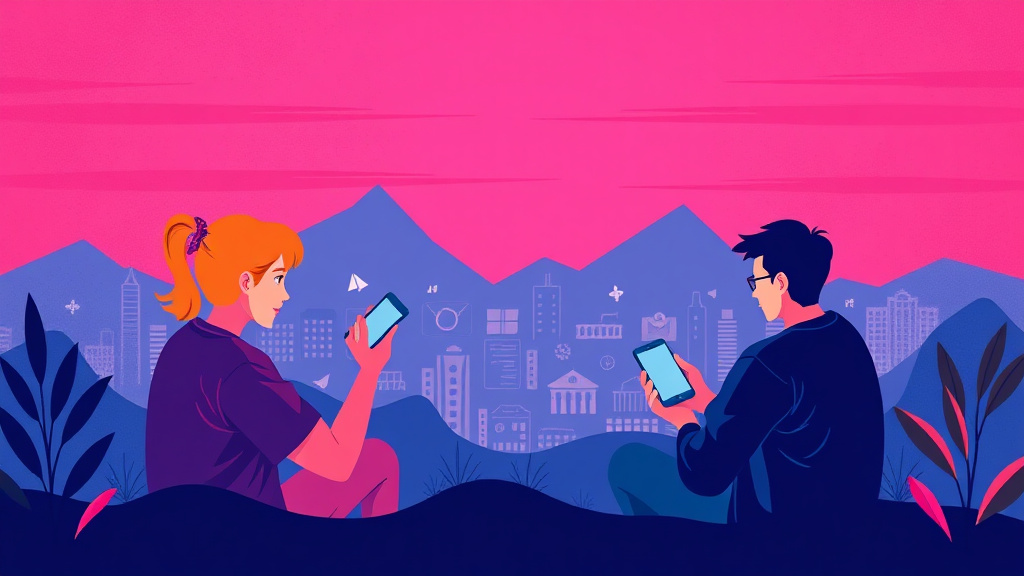
In an progressively connected world, mental health experts are raising urgent concerns about the significant effects of social media on adolescent mental health. Latest findings reveal alarming connections between heavy social media use and rising rates of anxiety, depression, and low self-esteem among young people. From carefully filtered content fueling unrealistic comparisons to addictive algorithms engineered to boost interaction, platforms are reshaping how teenagers view themselves and their peers. This article investigates the serious concerns from psychological experts and examines the psychological mechanisms behind social media’s hold on young minds.
The Rising Worry Within Mental Health Experts
Mental health professionals across the globe are increasingly alarmed by the link between time spent on social media and declining mental health in young people. Latest findings from prominent psychiatric bodies shows a significant increase in anxiety-related conditions, depressive episodes, and body image concerns among adolescents who engage extensively on social networking sites. Experts highlight that this is not simply screen time concerns; it’s about the psychological mechanisms embedded within these applications that deliberately target vulnerable young minds, establishing patterns of comparison and inadequacy.
The worry extends beyond individual cases to larger societal effects. Psychiatrists and psychologists warn that the widespread adoption of social media in teenage life has deeply transformed how adolescents develop their identities and self-worth. The ongoing exposure to filtered, curated versions of peers’ lives generates impossible benchmarks and promotes a sense of not being enough. Mental health organizations are now advocating for increased consciousness among parents, educators, and policymakers, encouraging preventative action to protect teenagers from the most damaging aspects of these social networks.
How Social Networking Platforms Impacts Teen Psychological Wellbeing
Social media platforms create spaces in which teenagers continually measure themselves to carefully curated images and curated content of their peers. This ongoing comparison process fuels feelings of not being good enough and diminished self-esteem, as adolescents compare their lives against unrealistic standards. The reward-based feedback mechanisms created by likes, comments, and shares reinforce compulsive scrolling habits, making it progressively harder for teens to disengage from these platforms. Research indicates that extended social media use is associated with elevated anxiety levels and diminished self-esteem among adolescent users.
The algorithmic structure of major social media platforms actively boosts compelling material, commonly elevating harmful or emotionally charged content that seizes engagement. Adolescent brains in development are highly exposed to these deceptive mechanisms, as they lack the cognitive maturity to identify and counter these behavioral influence methods. Additionally, the round-the-clock presence of social media eliminates healthy boundaries between internet use and in-person living, limiting sufficient psychological recovery and rejuvenation. Healthcare specialists caution that this perpetual connection creates chronic stress and sleep problems, additionally damaging young people’s psychological welfare.
Beyond individual psychological effects, social media facilitates cyberbullying and social exclusion at extraordinary proportions. Teenagers endure the embarrassment of hurtful remarks or exclusion from social activities in public settings, amplifying emotional pain. The enduring presence of digital content means hurtful posts can come back repeatedly, extending the duration of trauma. These combined elements create a perfect storm affecting teenage mental health across several areas simultaneously.
Concerning Indicators Caregivers Should Watch For
Parents should remain vigilant about behavioral changes that may suggest problematic social media use. Key warning signs include heightened irritability when devices are not available, declining academic performance, withdrawal from family activities, and sleep disturbances. Additionally, monitor sudden alterations in self-perception, excessive worry about their online image, or anxiety triggered by social media notifications. These signs often suggest that social media use is negatively affecting your teenager’s mental health and daily functioning.
Mental and emotional red flags deserve particular attention from caregivers. Notice if your teen exhibits signs of anxiety, depression, or diminished self-esteem that correspond to greater social media consumption. Compulsive monitoring of comments and likes, comparing themselves unfavorably to peers online, or expressing feelings of feelings of isolation despite having many online connections are warning patterns. Additionally, be aware of cyberbullying experiences, concerns about body image, or pulling away from in-person friendships, as these often emerge with unhealthy social media habits.
Approaches to Better Social Media Habits
Mental health specialists advise putting in place actionable approaches to support improved social media consumption among adolescents. Creating specific duration boundaries, designating tech-free zones during meals and bedtime, and promoting in-person activities are fundamental foundations. Guardians and teachers should participate in honest discussions about internet activity, supporting young people carefully assess material and identify persuasive programming. Implementing monitoring through tracking applications, while protecting personal boundaries, can establish boundaries that safeguard young people’s mental development from excessive exposure to harmful content and comparison-driven narratives.
Schools and communities play vital roles in digital literacy education, helping young people recognize misinformation and understand social media’s psychological mechanisms. Encouraging mindfulness techniques, physical activity, and face-to-face social interactions offers beneficial substitutes to time spent on screens. Mental health professionals also emphasize the value of obtaining expert assistance when signs of anxiety or depression linked to social media appear. By fostering awareness and applying these evidence-based strategies, we can help teenagers develop balanced relationships with digital devices while protecting their mental health and emotional development.
